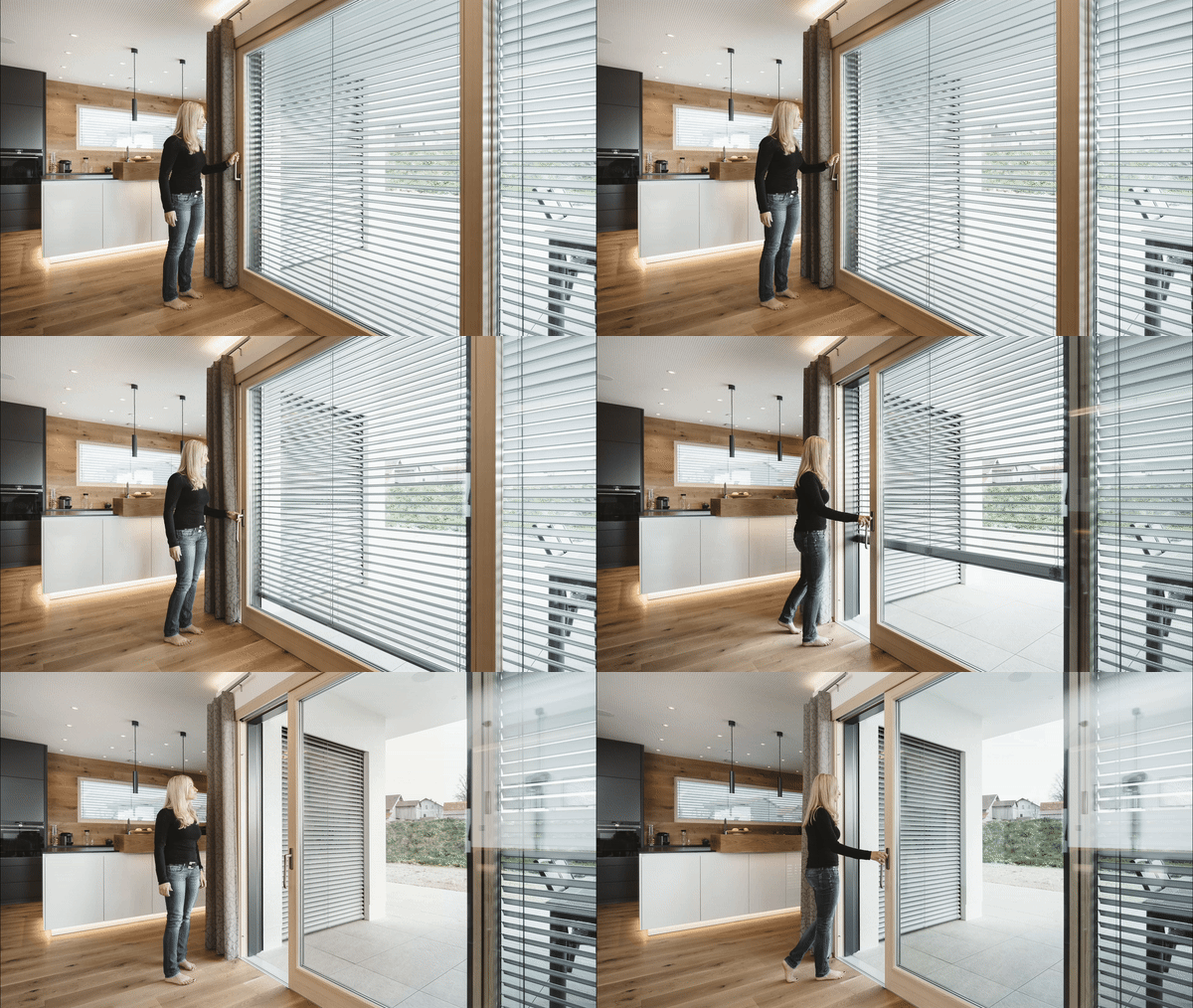
Loxone Automatic Shading: Revolutionizing Smart Living with Intelligent Light Control
In the era of smart homes, Loxone's Automatic Shading system stands out as a transformative solution that seamlessly blends comfort, energy efficiency, and security. By automating the control of blinds, shades, and awnings, Loxone ensures optimal indoor environments tailored to your lifestyle.
🌟 Key Advantages of Loxone Automatic Shading
1. Enhanced Comfort and Ambiance
Loxone's system dynamically adjusts window treatments based on real-time data, such as sunlight intensity and indoor temperature. This ensures rooms remain at comfortable temperatures and lighting levels throughout the day, enhancing overall well-being.
2. Energy Efficiency and Cost Savings
By optimizing natural light and reducing reliance on HVAC systems, Loxone's shading can lead to significant energy savings. In fact, automated shading systems can reduce energy costs by up to 25%, making them both eco-friendly and economical.
3. Seamless Integration with Smart Home Ecosystems
Loxone's shading integrates effortlessly with other smart home components, such as lighting, heating, and security systems. This unified approach allows for centralized control and automation, enhancing the overall smart home experience.
4. Increased Privacy and Security
Automated blinds can be programmed to simulate occupancy by opening and closing at predetermined times, deterring potential intruders. Additionally, integration with security systems allows blinds to respond to alarms or motion detection, adding an extra layer of protection.
5. Customizable Settings and User Control
Users can tailor shading schedules, create specific scenes (like "Movie Night" or "Morning Wake-Up"), and adjust settings remotely via the Loxone app, ensuring the system aligns perfectly with individual preferences.
🛠️ Installation Process: From Planning to Execution
Implementing Loxone's Automatic Shading involves a systematic approach:
-
Assessment and Planning
-
Evaluate the property's layout, window orientations, and user requirements.
-
Determine the appropriate shading devices (blinds, curtains, awnings) and their control mechanisms.YouTube+3Loxone+3Loxone+3
-
-
Hardware Installation
-
Install motorized shading devices compatible with Loxone's system.
-
Integrate sensors (light, temperature, wind) to provide real-time environmental data.
-
-
System Configuration
-
Utilize Loxone Config software to set up the Automatic Shading function blocks.
-
Define parameters such as sun position, shading thresholds, and response behaviors. Heyo Smart+6Loxone+6Loxone+6
-
-
Integration and Testing
-
Connect shading controls with other smart home systems for cohesive automation.
-
Conduct thorough testing to ensure responsive and accurate operation under various conditions.
-
-
User Training and Support
-
Provide users with guidance on using the Loxone app and customizing settings.
-
Offer ongoing support to address any questions or adjustments needed post-installation.
-
🧠 Expert Insights: Maximizing the Potential of Loxone Shading
-
Optimal Sensor Placement: Positioning light and temperature sensors accurately is crucial for responsive shading. Ensure sensors are placed where they can accurately detect environmental changes without obstructions.
-
Regular System Updates: Keep the Loxone system updated to benefit from the latest features and improvements, ensuring optimal performance and security
-
Customization for Lifestyle: Leverage the system's flexibility to create scenes and schedules that align with daily routines, enhancing convenience and comfort.