Innovative Access Control: Installation, Advantages & Expert Advice
Innovative Access Control Installation Process
Installing a modern access control system is a seamless process when following these key steps:
-
System Design & Planning
-
Assess entry points (doors, gates, garages).
-
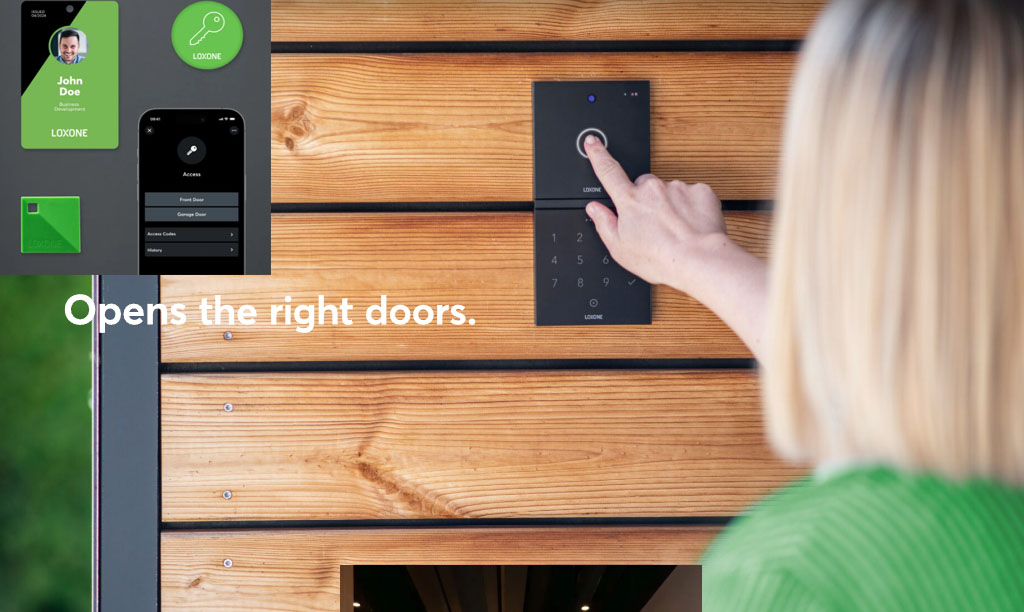
Choose between RFID, biometric, keypad, or mobile-based access.
-
Integrate with existing smart home/business automation systems.
-
-
Hardware Installation
-
Mount door controllers, readers, and electric locks.
-
Install sensors for door position monitoring.
-
Set up a centralized control unit (e.g., Loxone Miniserver).
-
-
Network & Software Setup
-
Connect to a secure network (PoE or wireless).
-
Configure access rights via cloud or local software.
-
Enable remote management via smartphone app.
-
-
Testing & Training
-
Verify all access points function correctly.
-
Train users on system operation and security protocols.
-
Advantages of Modern Access Control Systems
✅ Enhanced Security – Restrict unauthorized access with encrypted credentials.
✅ Convenience – Keyless entry via smartphones, RFID cards, or biometrics.
✅ Remote Management – Grant/revoke access from anywhere.
✅ Integration Capabilities – Works with smart lighting, alarms, and HVAC.
✅ Audit Trails – Track entry/exit logs for security compliance.
✅ Scalability – Expandable for multi-door or multi-site control.
✅ Energy Efficiency – Automatically locks/unlocks to save power.
Expert Advice for Optimal Access Control
🔹 Choose the Right Technology – Biometrics for high-security areas, mobile access for convenience.
🔹 Prioritize Cybersecurity – Use encrypted communication and regular firmware updates.
🔹 Future-Proof Your System – Opt for modular systems that allow upgrades.
🔹 Professional Installation – Ensures reliability and minimizes vulnerabilities.
🔹 Regular Maintenance – Check battery life, connectivity, and software updates.
Final Thoughts
A well-designed access control system not only improves security but also enhances automation and efficiency.